ITA/ENG
The recent release of the Europe’s 50 Best Bars 2026 ranking in Amsterdam has once again shone a spotlight on the extraordinary health of our continent’s mixology scene. Naturally, news coverage often concentrates on the great historic capitals of fine drinking—metropolises that for decades have drawn the commercial and stylistic lines of the industry. This edition, in particular, witnessed the extraordinary triumph of many Greek bars, spearheaded by Line, which dominated the competition by taking the top spot on the podium thanks to an incredibly dynamic and identity-driven scene.
However, browsing the fifty names on the list with a closer, more intimate look reveals an equally fascinating parallel story. It is the story of those beacons of excellence that have lit up in cities traditionally far from elite tourism routes or the main flows of the industry. To name just a few: Gorilla from Thessaloniki, Mirror Bar from Bratislava, Alma and Forbina Bar from Prague, Dunlin from Innsbruck, Art Bar Katowice and Tag from Krakow in Poland, and last but not least, the wonderful Nouvelle Vague from Tirana.
Anyone who follows this blog knows how much I believe in the potential of Central-Eastern Europe and the Balkans as incubators for pure, terroir-driven, and courageous mixology. Managing to secure a spot in a ranking of international scope starting from less celebrated markets is not just a commercial achievement: it is an act of pure resilience. It means working twice as hard to be heard, focusing on consistency to physically draw judges off the beaten path, and proving that hospitality and technique do not need a prestigious zip code to compete with the best in the world.
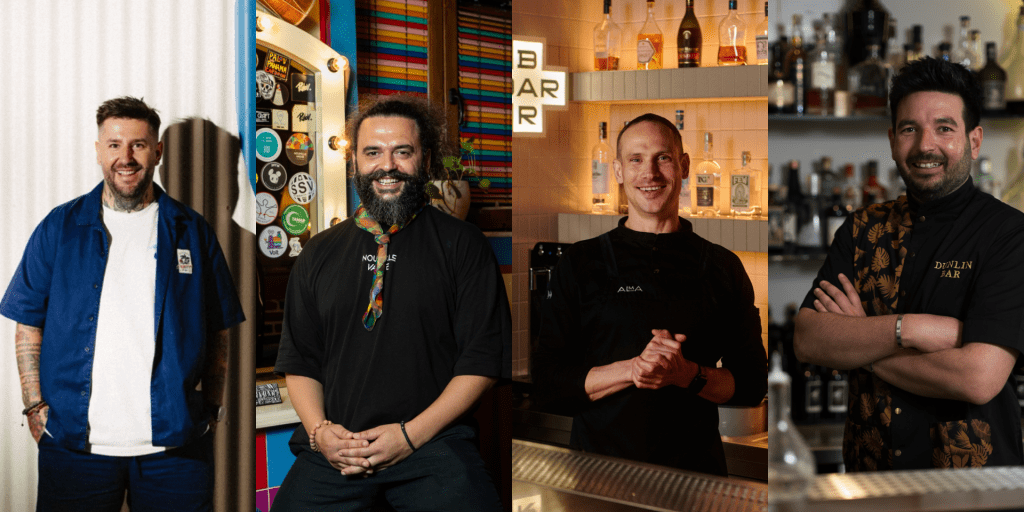
While there are many more names worthy of being interviewed and applauded, in order to truly understand the complexity, sacrifices, and beauty of this journey, I wanted to select and give a voice to four extraordinary professionals who this year brought their cities to the attention of all of Europe. Together, we analyzed the real challenges, economic sustainability, and human value of driving avant-garde mixology in emerging markets through three crucial questions.
Our Guests:
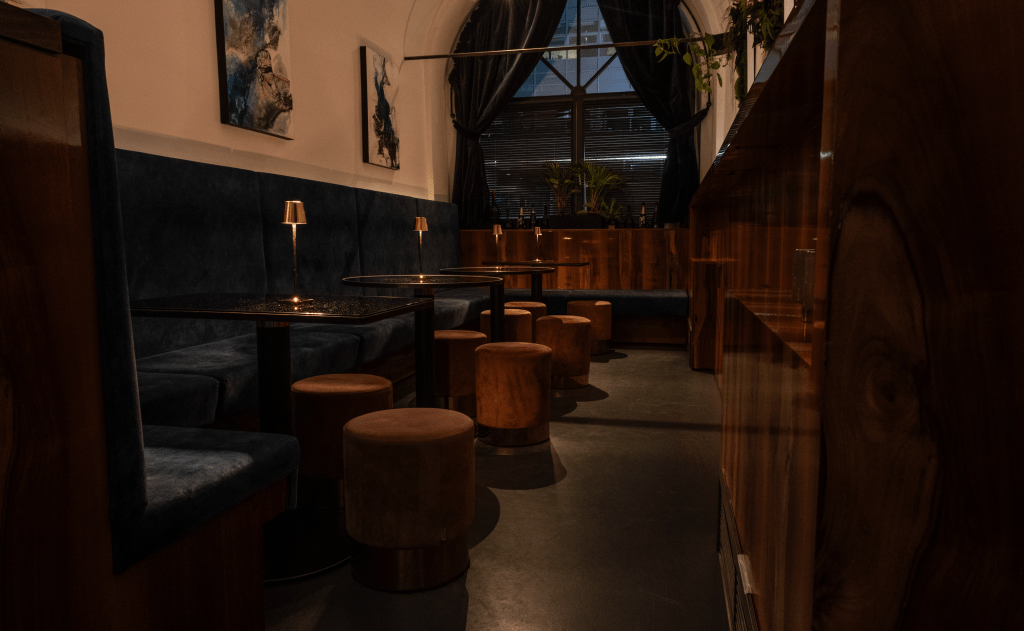
- Kostas Karvounis – Dunlin Bar (Innsbruck, Austria) – #50 in Europe and Best Bar in Austria
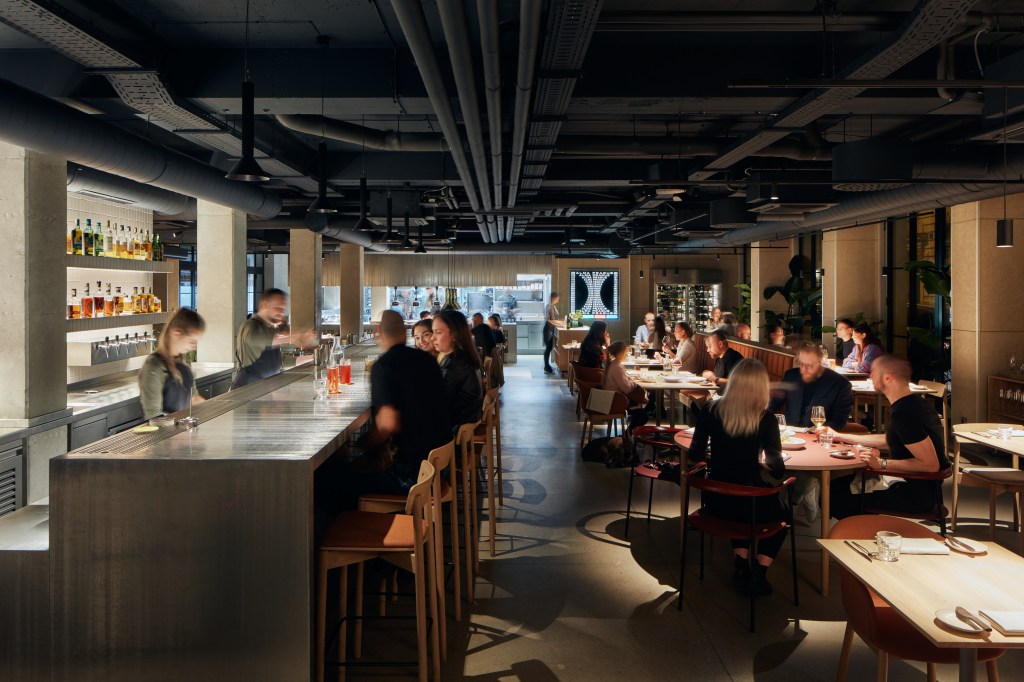
- Pavel Sochor – Alma (Prague, Czech Republic) – #25 in Europe and Best Bar in Czechia
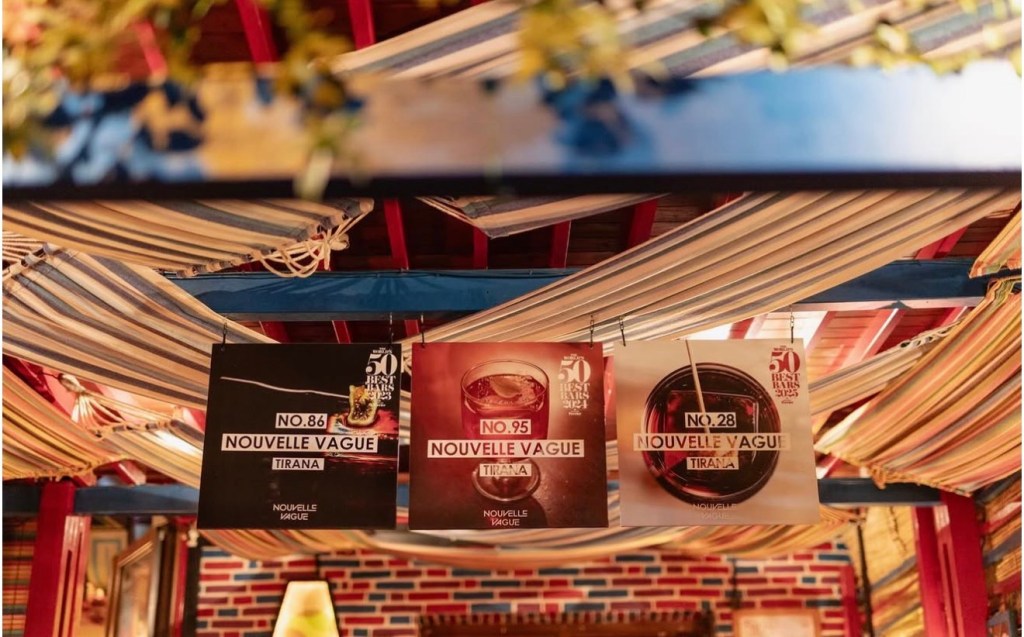
- Sofo Cali – Nouvelle Vague (Tirana, Albania) – #16 in Europe and Best Bar in Albania – #42 Most Influential Figures in the Bar Industry
- Krzysztof Ciemiera – Art Bar (Katowice, Poland) – Campari One To Watch Award 2026
On my blog, I have often analyzed the rise of Central-Eastern Europe and secondary markets as the new frontier of mixology. For a bar that is not located in historic capitals or major tourist countries, what has been the biggest challenge in positioning yourselves and being taken seriously by the industry and international rankings?
Kostas (Dunlin Bar): “The biggest challenge is earning international attention when you are located outside the traditional cocktail capitals. We have to spend much more time consistently proving the quality of our work before the global industry starts to notice us. At the same time, it is equally important to build a strong reputation in our local market, because without a loyal local community, international recognition alone has little value. We also believe that bars in secondary cities often have fewer networking opportunities and less exposure to influential industry figures, so we need to be much more proactive and patient. Consistency, rather than a single breakthrough moment, is what ultimately builds credibility.”
Pavel (Alma Prague): “Actually, I think the perception of Central and Eastern Europe has changed radically over the last few years, especially thanks to the guys at Mirror Bar in Bratislava. This has opened many doors, not just for us, but for many others. The biggest challenge wasn’t our geographical location; it was consistency. Being outside the traditional cocktail capitals means you have fewer opportunities to be seen, so every guest, every event, every collaboration, and every visit counts. We focused on building something that felt authentic to us, instead of trying to copy London or New York. We are also proud to be part of a broader movement that is helping put the Czech Republic on the global cocktail map. We might be the ones pushing right now, but we couldn’t do it alone.”
Sofo (Nouvelle Vague Tirana): “In markets like ours in Tirana, Albania, the challenges have been numerous over the years. The challenge for us was being appealing not only to internationals but to locals as well. For example, asking internationally renowned bars to do a guest shift at our venue back in 2018—when Albania didn’t have the reputation it has now—and promoting an event featuring a guest bar with dedicated drinks instead of a DJ or a band, meant opening Pandora’s box for both sides :))). First, because the guests had no idea where they were going or what to expect, and second, the hosts had no idea what they were spending their money on or what to expect!”
Krzysztof (Art Bar Katowice): “For us, the absolute biggest challenge at the beginning was starting to organize guest shifts with bars from all over the world. Few people knew a city like Katowice. However, fortunately for us, every bar we invited helped us organize the subsequent events by sharing their contacts. Additionally, the challenge for us is that Katowice is not a tourist city, so we had to work really hard to put Art Bar on the cocktail map of Europe!”

Entering these rankings requires a major investment in PR and international guest shifts. In large metropolises, massive operational costs (rent, staff) often cannibalize the returns on this visibility. In your markets, where fixed costs are structurally lower, does this positioning generate a faster and more efficient ROI? In short: are international rankings more profitable in ‘secondary’ cities compared to big capitals?
Kostas (Dunlin Bar): “Yes, we believe that international rankings can generate a stronger ROI in smaller markets compared to big capitals. In our case, being included in the Europe’s 50 Best list was a unique milestone that brought significant attention not only to our bar but also to our tourist region and even the country itself. When something like this happens for the first time, the impact is much greater because it becomes a story that local and international media want to share. At the same time, lower fixed operational costs allow us to reinvest a larger share of the additional revenue into improving the guest experience, our team, and future projects, rather than simply covering overheads. Of course, rankings aren’t profitable on their own—you still have to deliver an exceptional experience that turns increased visibility into long-term guests and a stronger brand.”
Pavel (Alma Prague): “I don’t think there’s a simple formula. Being included in rankings like Europe’s 50 Best Bars certainly brings visibility, but it’s not something you can measure purely as an immediate financial return. It’s true that operational costs in Prague are generally lower than in cities like London or Paris, which gives us a bit more flexibility to invest in education, research, travel, and collaborations. But those investments are still significant, especially if you want to contribute to the global bar community rather than just promote yourself. For us, the biggest return has been the opportunities that come with the recognition. We’ve welcomed guests from all over the world, built relationships with incredible bars and brands, and attracted talented people who want to work with us. These things have a much more lasting impact than a short-term boost in revenue. Ultimately, rankings don’t make a bar successful; they amplify what already exists. If the foundation isn’t there, the attention fades quickly. If it is, recognition can help accelerate growth—whether you’re in Prague, London, or anywhere else.”
Sofo (Nouvelle Vague Tirana): “I think rankings, in terms of raw cash flow volume, are more efficient in larger cities! Let’s say you manage a bar in a big city that enters the ranking, and that city gets 10,000 visitors a day. If 100 of them come to your bar because of that list since it interests them, it sets you apart and defines you from the rest. In smaller cities like ours, that number is multiplied and divided. In smaller cities like ours, the profit is multidimensional and long-term, where the biggest ‘cash back’ is attention! International attention puts both your venue and the city on the map for culinary tourism, rather than just the exploration of an unknown country. Meanwhile, national attention creates hope and paves the way for improvement and leveling up in every way.”
Krzysztof (Art Bar Katowice): “When it comes to us, it’s hard to say. We only received the recognition just now, and what we do in our venue can be considered quite new. We approach this in a way where we simply want to give something extra to our Guests. Our bar relies primarily on local people, and events with bars from different parts of the world have become an attraction for them, where they can taste flavors from the very best. We specifically plan our guest shifts on weekends so that as many people as possible can benefit from the event. Beyond that, we strive to do it in a way that always benefits both sides: our guests, by trying the new menu from the best, and our industry, through the organization of masterclasses.”
In large metropolises, the clientele of high-end bars is often volatile, driven by hit-and-run tourist flows or passing trends. In your markets, is local customer loyalty higher? Is it economically more sustainable in the long run to run a bar of excellence based on customer retention compared to a saturated market that thrives only on constant novelty?
Kostas (Dunlin Bar): “Yes, we believe that local customer loyalty is generally stronger in smaller markets, especially after receiving international recognition like this. Awards create curiosity, but they also reinforce trust and pride within the local community, which helps turn first-time visitors into regular guests. In our case, our clientele is roughly 50% locals and 50% tourists, so maintaining a balance between both groups is essential. While tourism brings in new guests, it is the loyalty of local customers that provides long-term stability and makes the business more sustainable. In the end, recognition can attract people to your bar, but consistently delivering a great experience is what keeps them coming back.”
Pavel (Alma Prague): “I think loyalty has become one of the biggest strengths of our market. Although Prague attracts many international visitors, we always wanted Alma to be a place where locals genuinely felt at home and kept coming back—not just a place you visit because it’s on a list. This balance is incredibly important. Awards and rankings might bring someone through the door for the first time, but it’s the local community that keeps a bar alive year after year. I also don’t believe that retention and novelty are opposites. People come back because they trust the experience, but they also want to feel that the bar is evolving. Our job is to keep surprising our guests while staying true to who we are. In the long run, I believe the most sustainable bars are those that build genuine relationships with their local community first. International recognition is a fantastic bonus, but loyalty is what gives you stability.”
Sofo (Nouvelle Vague Tirana): “Tirana is one of those capitals that is driven by trends. People love to follow new trends and new openings. You might have your regular customers until they grow older, get married, and have kids 🙂 and then you have tourists who just pass by once or twice and that’s it. The challenge is to be favored by both and make them interact with each other in real-time without ruining the subtle balance between them in your environment. Nouvelle Vague has been operating for more than 13 years, and international recognition only arrived in its tenth year. So for us, the foundation is the local community—different generations every 3 years—followed by tourists who come for who we truly are and what we honestly offer. You have to be selective to maintain the perfect symbiosis, and that comes from honesty in how you position yourself in the market.”
Krzysztof (Art Bar Katowice): “There’s no point pretending that tourists don’t drive our industry very strongly as well. From the beginning, we knew there wouldn’t be many here—but we try to showcase everything in the best possible way to attract them to our city anyway. From the start, we have operated on a local level, whether with artists, architects, etc. People here love locality—and we provide it to them all the time. We simply want to be a good bar with a wonderful atmosphere, giving people the freedom to let go of their problems in today’s fast-paced world.”
A Reflection on the New Hospitality Map
The responses from Kostas, Pavel, Sofo, and Krzysztof open a valuable window into a complex reality, where enthusiasm for international achievements blends with deep entrepreneurial maturity and great humility. Reading their unfiltered testimonies, it emerges clearly that excellence in secondary or emerging markets is not a formula that can be replicated mechanically; rather, it is a delicate and patient balancing act.
There is a very clear common thread uniting these four visions: the refusal to mimic the models of the world’s major metropolises and the profound awareness that the local community is the only true long-term lifeblood. Whether it is the cyclical generational evolution of customers in Tirana, the social roots planted with artists and architects in Katowice, the desire to make residents feel at home in Prague, or the perfect balance between locals and tourist flows in Innsbruck, the focal point remains the loyal customer.
In these contexts, recognition or a spot in a ranking is not the ultimate goal of the business, nor does it translate into an automatic financial miracle. Instead, they act as powerful amplifiers of work built on consistency. They become a tool for collective pride that draws attention not just to a single venue, but to the entire culinary and tourism movement of a city or a whole country, bringing trickling benefits to the local industry through the sharing of contacts and masterclasses.
Pioneering a scene that is still in full development undoubtedly requires more patience, strong proactivity, and a solid foundation that leaves no room for missteps. Today, European mixology proves to us that innovation and sustainability travel on the tracks of those who have successfully set aside the anxiety of trendy performance to focus on the truth of their environment, the honesty of their offering, and the human value of long-term relationships.
As a long-standing and passionate supporter of these latitudes, I can say with absolute certainty and enthusiasm: Central-Eastern Europe and the Balkans have so much more to say. It is a land of pure talent, extraordinary raw ingredients, and a culture of hospitality that has nothing to envy compared to historic stages. I cannot wait to see more wonderful accolades bloom for these regions, which—to my immense delight—are already beginning to emerge strongly in several other major industry rankings, finally reshaping the boundaries of global quality.
Diego Ferrari

