ITA/ENG
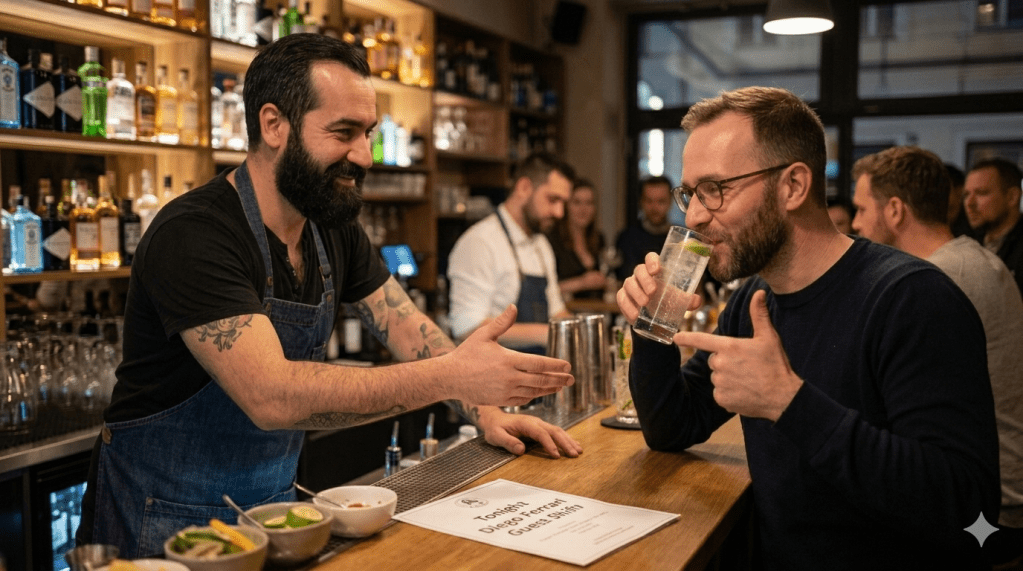
What exactly is a Bartender Guest Shift?
For years, the cocktail bar world—driven by international rankings, the pursuit of popularity, or simple marketing and PR strategies—has made it a custom to invite world-renowned bartenders to perform behind a guest counter. For two or three hours, the professional presents a selection of recipes representative of their home bar, often supported by specific industry brands.
I frequently find myself discussing this topic with colleagues. I believe it deserves an in-depth analysis, even while acknowledging that the subject can spark heated debate. Setting aside the more pragmatic issues—such as real economic viability, management costs, and tangible benefits for the venue—I would like to focus on a more interpretative aspect: the choice of recipes offered to the public; specifically, to those customers who, whether aware of the event or not, sit at the bar for a drink.
The Complexity Dilemma
Having traveled the world for years for seminars and guest shifts, I have often noticed a common thread in post-event feedback: it is not uncommon for the proposed recipes to be overly elaborate, characterized by complicated flavor profiles and, consequently, not fully appreciated by the local audience.
Personally, I have always maintained that the mantra for a successful guest shift should be: “Ensure the customer and the brand are satisfied through an easy-to-interpret drink.” This philosophy rests on concrete reasons:
- Brand Recognition: If a company supports the evening, they want their product to be the protagonist—recognizable and enhanced within a pleasant blend.
- Logistics and Equipment: The host bar may not always have the necessary technology to replicate complex homemade preparations.
- Availability of Raw Materials: Ingredients that are common in our home country may be impossible to find elsewhere. It is essential that requests made to our hosting colleagues remain reasonable, so as not to turn their prep shift into a logistical nightmare.
Strategies and Risks: Batched vs. On-Site Preparation
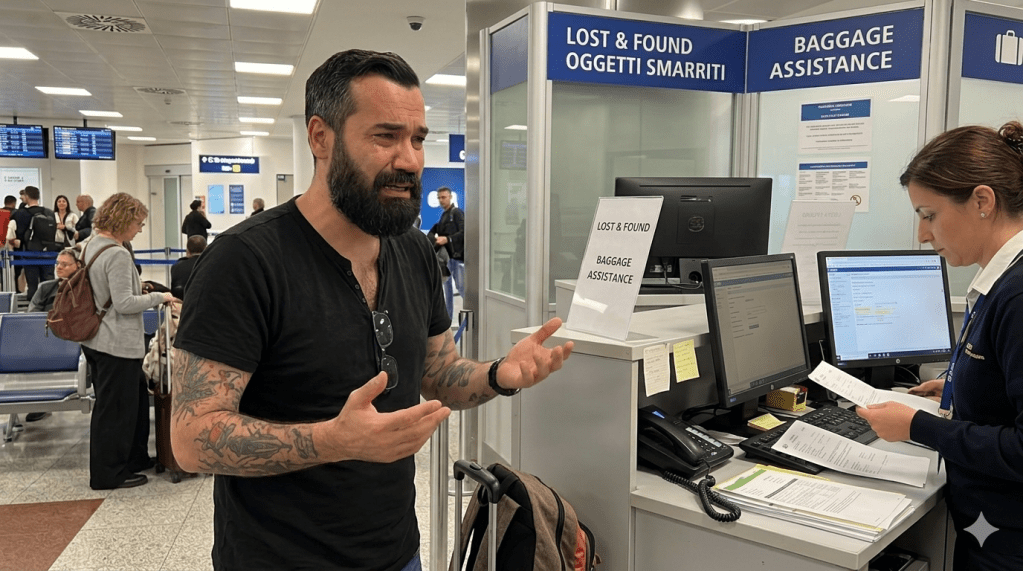
Many colleagues choose to prepare their “batches” (pre-mixed blends) in their own bars, vacuum-sealing and transporting them in a suitcase to eliminate the risk of missing ingredients or to speed up service. While this is an effective technique for ensuring consistency of flavor, it remains a risky approach: if the luggage is lost, the guest shift is cancelled in 90% of cases. The ideal scenario is to find a balance between ingredients brought from home and fresh preparations that can be made on-site.
Simple Recipe or Elaborate Signature?
The correct answer is: it depends. Although simplicity almost always pays off, complex recipes still have their place—provided they are executed by those with a rare capacity for adaptation. I have tasted structured drinks by great masters that, even when replicated on the other side of the world, hit the mark perfectly. These “geniuses of mixology” manage to make a complex taste universal, but it is a rare talent.
The main risk remains the local palate. Service dynamics change drastically when you are not in your own environment. I remember that 15 years ago, offering “Italian Aperitivo” style drinks (amari and bitters) in Asia was a challenge; the local palate preferred sweet and sour notes. Today, those same customers are the first to order a Negroni or an Americano. This proves that taste evolves through travel and exchange, but it is a process that must be nurtured, not forced.
Conclusion
The core of this discussion lies in experience. As professionals, we must have the sensitivity to understand the context: service timing, local tastes, and audience expectations. Just as a cocktail seeks its perfect balance, a bartender on a guest shift must find the equilibrium between their own style and the ability to evolve and adapt to the world that hosts them.
Diego Ferrari
 Diego Ferrari