ITA|ENG
Chaotic, bustling, spiritual, and romantic: Istanbul is a living paradox. The call of the muezzin merging with the sound of car horns, and the ferries slicing through the Bosphorus between Ottoman palaces and modern skyscrapers, make it one of the most complete metropolises in the world. It is no coincidence that in 2025 Turkey recorded a 1.6% increase in tourism, marking a record year: visitors from over 200 countries flocked to this wonderful nation to enjoy its culture, traditions, incredible food, and extraordinary hospitality.
But how can a city so chaotic never feel off-putting, but rather, profoundly magnetic?
A Natural Lesson in “Guest Relations”
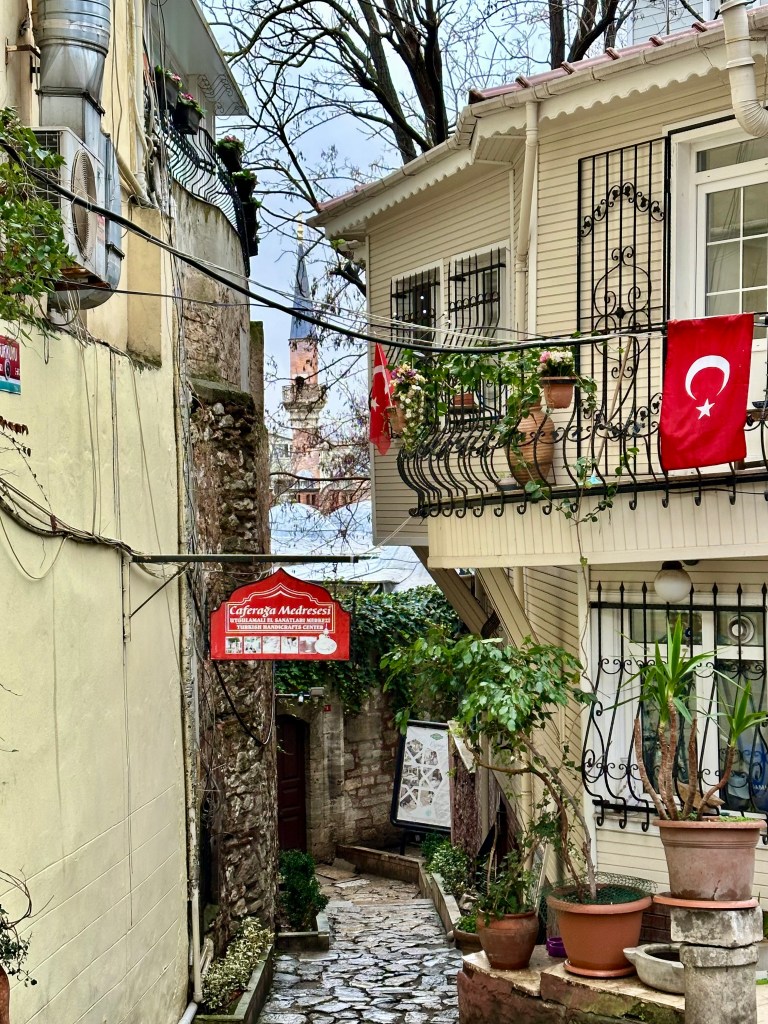
In this country, the human factor is everything. The kindness of the locals is reflected in the smallest details. Try entering any shop or approaching the piers: you will immediately be greeted with a glass of tea (çay). The guest is placed at the center, creating an immediate sense of belonging even in a metropolis of 16 million people. It is a true lesson in natural “Guest Relations.”
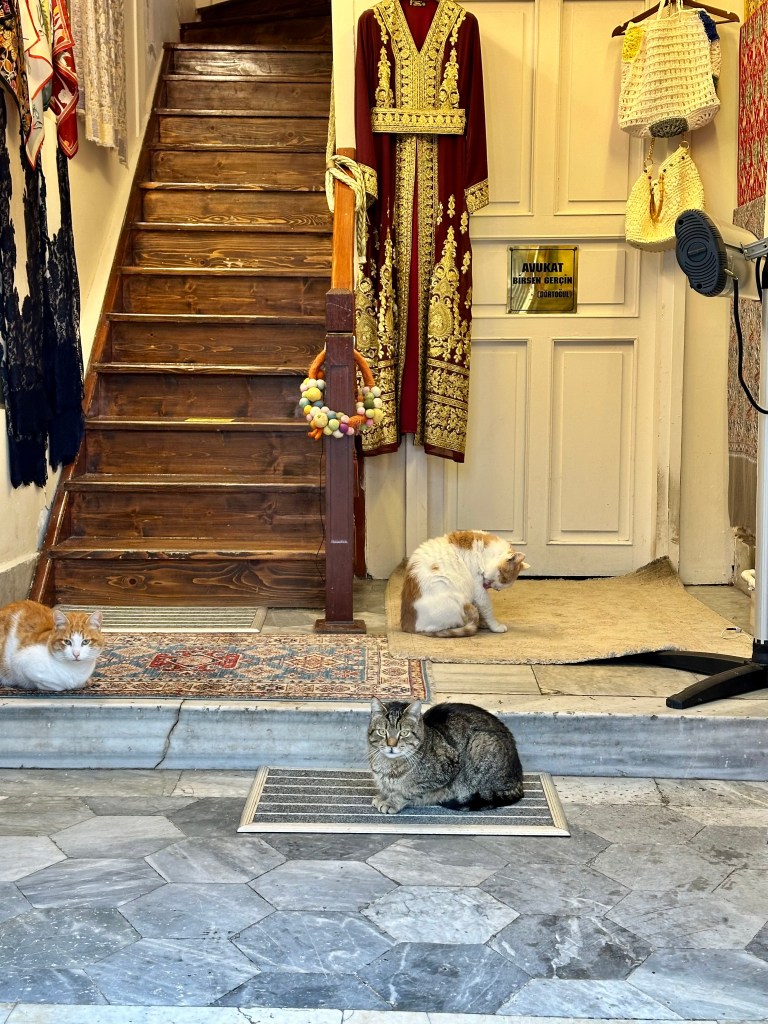
But where does the Turkish people’s spirit truly shine? In their love and care for animals, especially strays. Walking through the city, you will encounter hundreds of cats and dogs, well-fed and pampered by shopkeepers and passersby. Don’t be surprised if, upon entering a spice or carpet shop, you find a cat sleeping undisturbed on a pile of fabrics. To me, this is the ultimate expression of humanity and respect.
A technological curiosity: on the streets, you will find highly innovative kibble and water dispensers. By inserting an empty plastic bottle, the machine releases a portion of food: a genius system that simultaneously supports recycling and the neighborhood’s animals.
What to See: Between History and Modernity
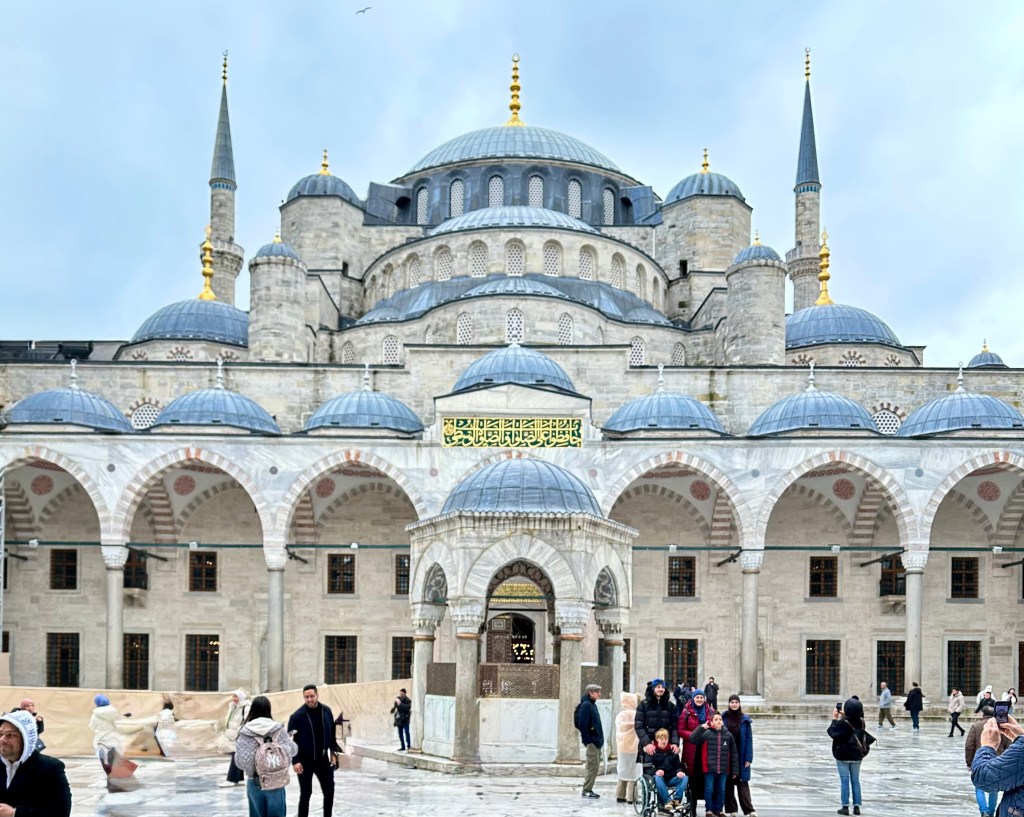
Istanbul is an explosion of contrasts: from the majesty of Sultanahmet, with the Hagia Sophia and the Blue Mosque, to the vibrant modernity of neighborhoods like Galata or Karaköy. My advice is to take a ferry and admire the city from the Bosphorus: only from the water can you truly understand its scale and its dual soul, divided between Europe and Asia.
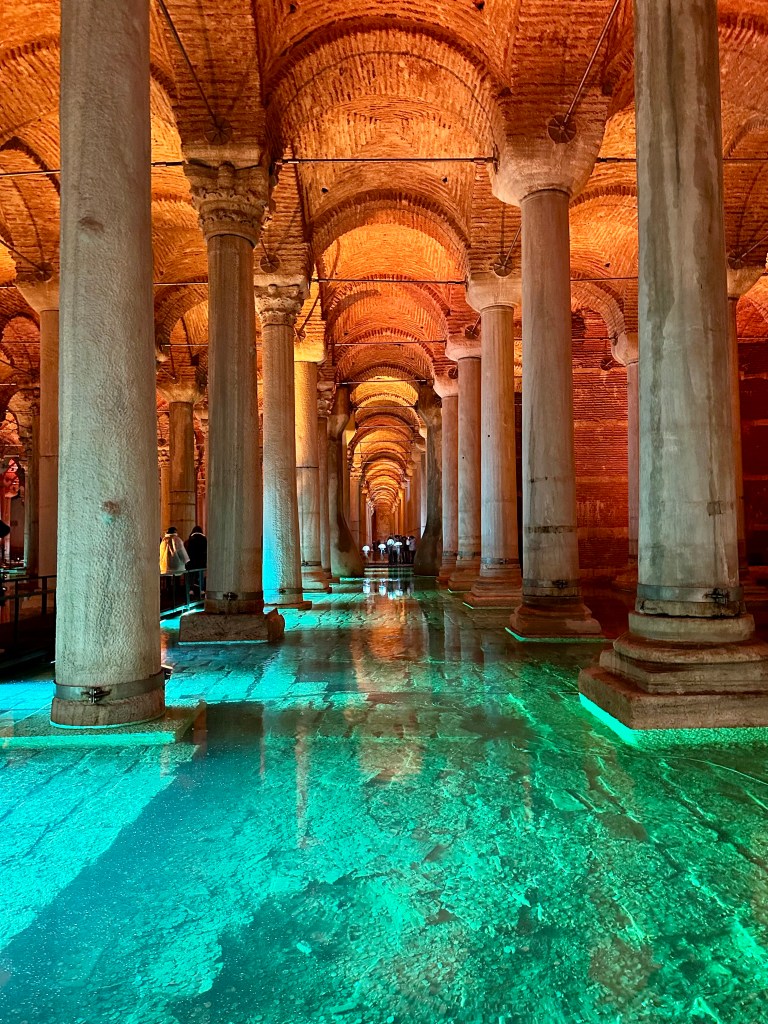
Go down into the cisterns near Hagia Sophia to let yourself be transported by the silence and the sound of dripping water; then venture into the Grand Bazaar, the heart of commerce, and enjoy haggling over prices. Look for small local shops: we stopped at an ancient stationer’s displaying thousands of brushes, inks, and fine papers. Finally, sit on the banks of the Bosphorus at sunset to watch the fishermen sharing the day’s catch with a hungry kitten. Enjoy the moment.
Where to stay? I recommend the Sultanahmet area in the Old City: you will be just steps away from the main mosques in cozy hotels at fair prices.
Food & Cocktail Culture
Turkish cuisine is a journey within a journey. From the culture of Meze (sharing) to street food like balık ekmek (the fish sandwich on the Galata Bridge). Classics like Kebab (Döner and Adana), Dolma (stuffed vegetables), Manti (dumplings with yogurt and spiced butter), or Pide and Lahmacun flatbreads are a must. All accompanied by Ayran, tea, or the famous Turkish coffee.
The bar scene is equally vibrant: here, local flavors merge with international ingredients to excellent results.
• Mathilda’s & Mathilda’s Atelier: Vedat and Deniz will offer you a taste of true Turkish hospitality with high-level cocktails and incredible bar food.
• Agata: A noteworthy cocktail bar whose philosophy connects modern city life with the aromatic culture of Anatolia and Antakya.
• Mikla: For an unforgettable experience, this 1-star Michelin restaurant on the top floor of a hotel offers an unparalleled view of the city, combining tradition with culinary avant-garde.
I leave Istanbul with one realization: chaos, if managed with a smile and hospitality, is not disorder, but life. A lesson that our Western standards, sometimes too cold, should remember.
Salute!
 Diego Ferrari