ITA|ENG
One of the most debated topics in any industry is the relationship between technical skill and professional awareness. In over three decades of my career in the bar world, I must acknowledge that—thanks to the dedication and passion of so many bartenders—this sector has evolved radically, offering ever-higher standards of quality, service, and expertise. Gone are the days when ordering an Amaretto Sour in a generic bar meant receiving a drink that was anything but what you asked for; today, we meet professionals who are more prepared and passionate than ever.
Brands have played a crucial role in this growth, providing resources, seminars, and masterclasses to educate operators on their products—teaching them not only how to use them best but also how to tell their story to the customer. Yet, despite living in an era where knowledge is just a click away, all of this still doesn’t seem to be enough.
Calculating Alcohol Content and Professionalism: The 10-Cocktail Test
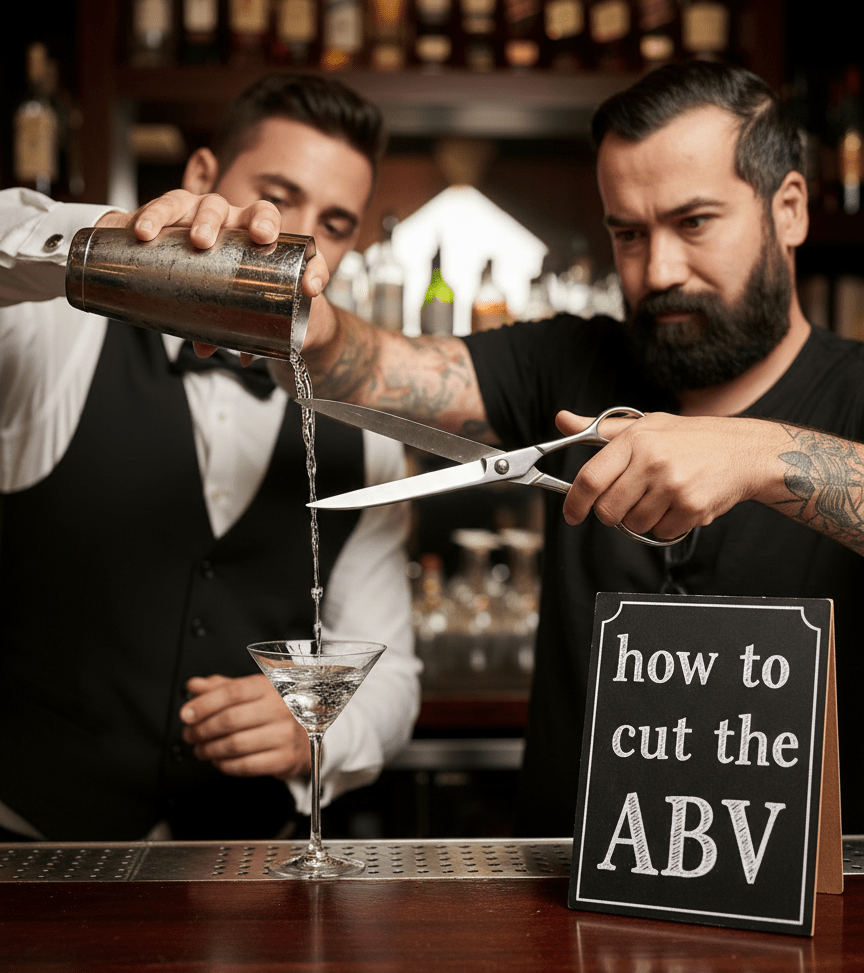
During my masterclasses around the world, while addressing a topic close to my heart—Low Alcohol drinks—I often notice a certain hesitation when faced with a very simple question: “How alcoholic is the cocktail you are preparing for me?”
I regularly give my attendees a test: I show a slide featuring ten international cocktails and ask them to estimate the ABV (Alcohol By Volume). Most colleagues stumble through hypothetical numbers and approximate guesses. However, once provided with a precise calculation method—one that accounts for ice dilution and utilizes modern tools like Apps or AI—the perspective shifts. They begin to understand the importance of providing accurate information: a response that doesn’t just satisfy the customer’s curiosity, but confirms the bartender’s professionalism. After all, if we asked a chef a technical question about ingredients, or a doctor about a therapy, we wouldn’t accept an “Excuse me, let me check Wikipedia.” Continuous training is the key to creating a truly winning team.
Gen Z and Hospitality: Evolving Values or a Lack of Passion?
Parallel to this, another hot topic is the comparison with the new generations. It is common to hear managers of my age criticizing young people, claiming they “don’t know how” or “don’t want” to work. It is true that every generation has always criticized the one that follows—whether for fashion, language, or attitudes—but what has truly changed is the context. The digital revolution and the pandemic experience have recalibrated values; today, young people seek a more sustainable work-life balance. Whether we like it or not, this is a social evolution.
Admittedly, this reflects on the hospitality industry with unprecedented challenges. Finding staff is difficult, and we often encounter those who, despite having only basic schooling, immediately aspire to Bar Manager roles with part-time hours. But before we judge, let’s remember that we, too, had some illogical demands in our youth. Our grandparents, accustomed to physical labor that would be unacceptable today, likely criticized our parents for seeking less grueling jobs and more rights. Before condemning, we should try to understand where the world is headed.
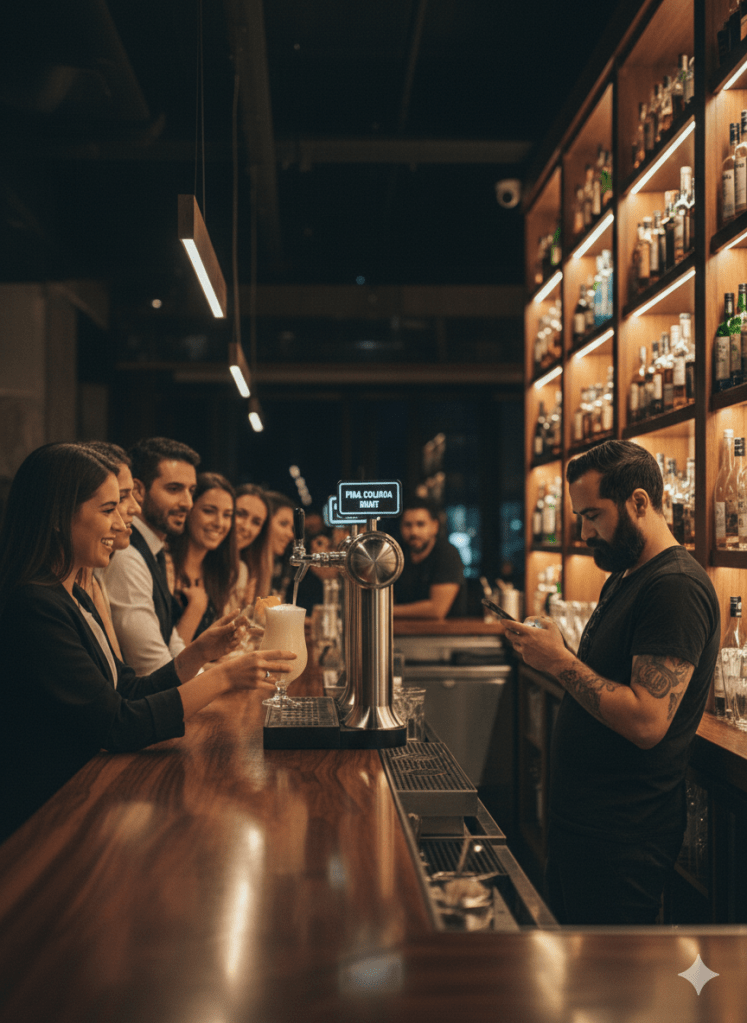
However, if I must offer a constructive critique—valid for both the youth and veterans alike—it concerns the use of mobile phones. When a company allows the unrestricted use of smartphones during service, it risks creating a wall. There is nothing less professional than a customer looking for a waiter or bartender only to find them lost in the oblivion of social media.
Technology is a tool for growth; it must never become an obstacle to hospitality.
Salute!
 Diego Ferrari