ITA|ENG
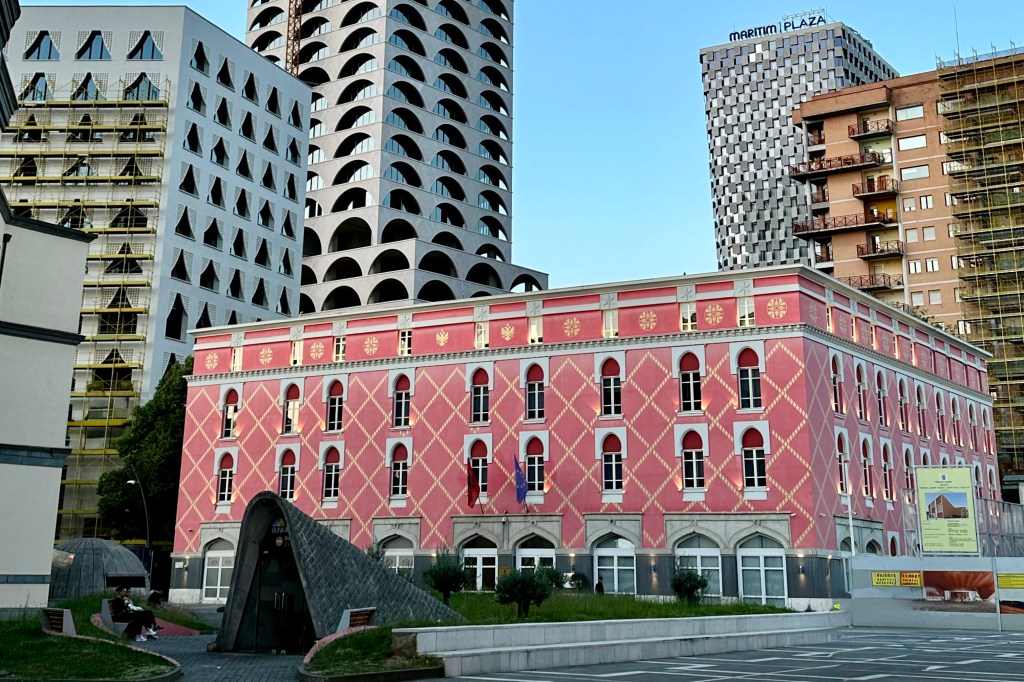
One of the cities that has most captivated and surprised me is Tirana, Albania. Just a two-hour flight from Milan, you land at a modern, world-class airport that commands respect. Having never been to Albania before, I must admit I arrived with some preconceived notions. In the 1990s, the mass migration to Italy brought new cultures but also, unfortunately, a veil of poverty and social hardship. This left a lingering impression in the collective Italian mind of a poor country with limited resources.
However, as time passed, Italy became a second home for the Albanian people, who are now fully integrated and in wonderful harmony with us. Upon my arrival, that old “cloud of doubt” immediately dissipated. What I found was a country in the midst of a marvelous growth spurt—a place with genuine values and its eyes fixed firmly on the future. The friendliness of the people is incredible: nearly 70% of residents in Tirana, including the elderly, speak Italian fluently. It is almost ironic to think that while many Italians struggle with their own language, people here have such a wonderful command of a foreign one.
Safety and Hospitality
Safety in the city is a given. Walking through lush streets filled with shops, hotels, cocktail bars, and restaurants teeming with people, you never feel uneasy. The city center is about 40 minutes from the airport, and thanks to the very affordable taxis, you can easily reach any corner of Tirana.
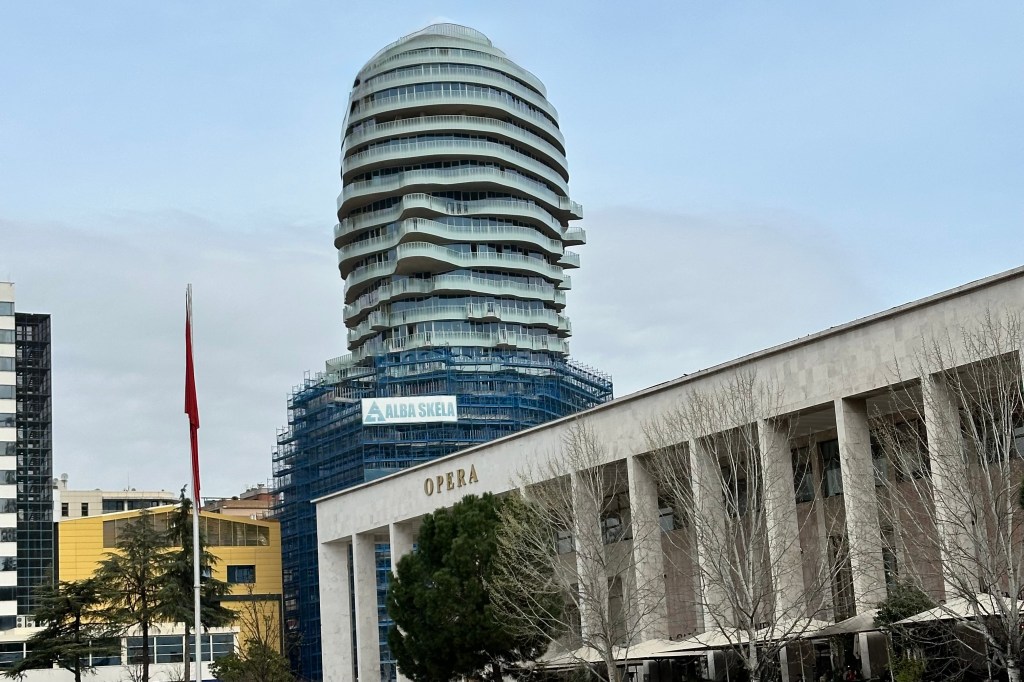
The hotels I stayed in were beautiful, functional, and strategically located near Skanderbeg Square, which is home to the Palace of Culture and the famous, massive bronze equestrian statue of the national hero, Skanderbeg. Among those I visited, I highly recommend the Plaza Hotel for its excellence and the Lot Boutique Hotel, which is more budget-friendly but still very high quality.
History and Authentic Flavors
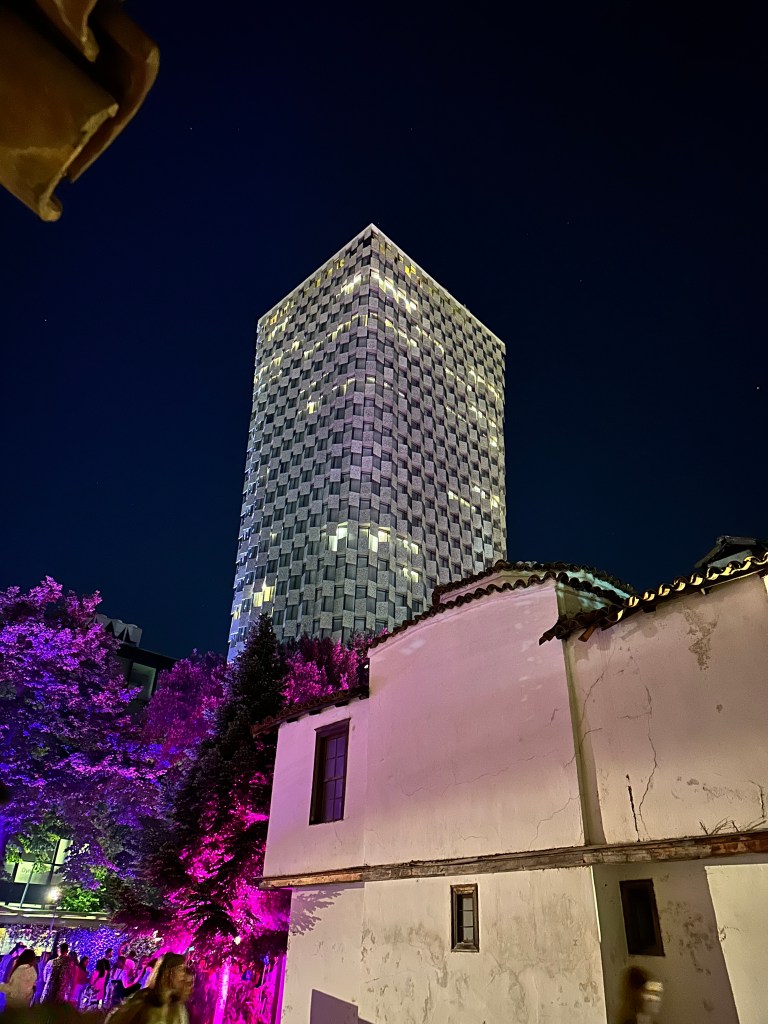
Not far away, the historic center stretches between ancient walls, the Old Bazaar, and the Castle. Here, dozens of Albanian restaurants offer traditional food, quality wine, and the wonderful Raki—a local brandy similar to grappa, made from fermented fruits like figs, plums, or grapes.
The meat and vegetables here still have that “flavor of yesteryear.” Taking your time to eat, sharing many small plates (perhaps by a roaring fireplace while sipping Raki), is a priceless experience. A great plus is that restaurants open at noon and serve food continuously until late at night.
Architecture and Nightlife
The skyline is constantly evolving, showing a fascinating contrast between historic buildings and modern landmarks like the Alban Tower, the Pyramid, and the new Skanderbeg Building, which is uniquely shaped like the face of the national hero. If you stroll through Tirana, cross the river and head toward the university and the stadium; the area is in constant flux, with majestic, ultra-modern buildings rising up. Just behind this area, you’ll find a massive park where the surrounding greenery and walking paths provide a refreshing contrast to the city’s bustle.
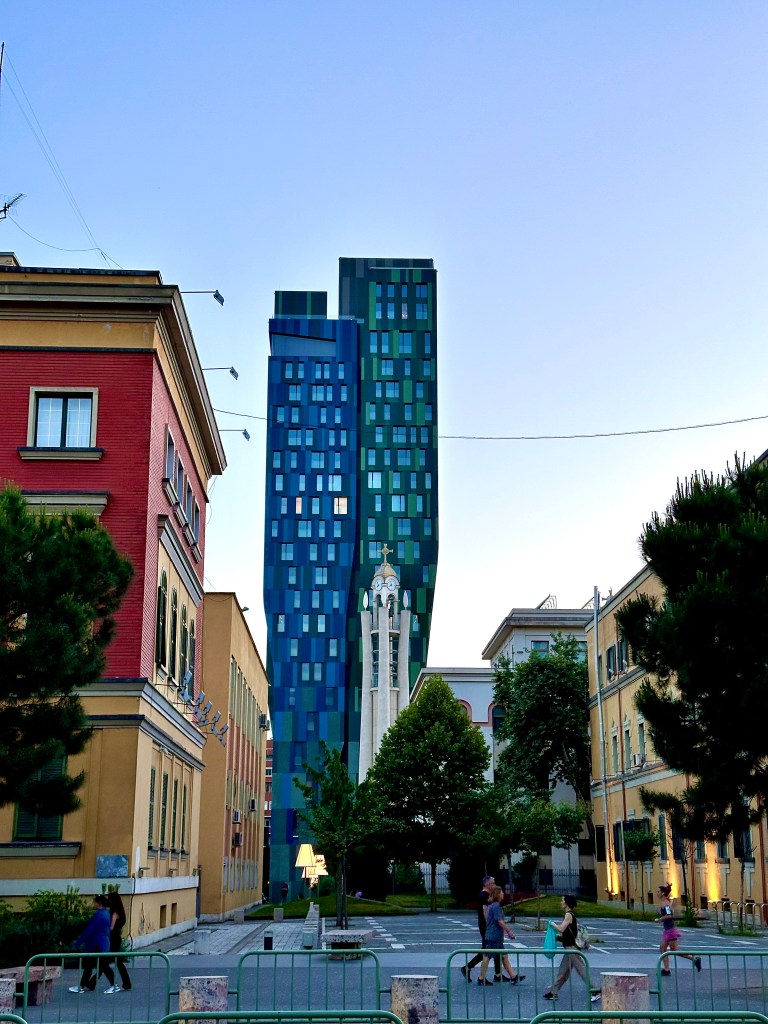
The bar scene in Tirana is vibrant. You will find great spots like Mi-TO or Radio Bar,but my absolute favorite is Nouvelle Vague, which currently ranks 28th on The World’s 50 Best Bars list. Here, Sofo, his brother, and their team have created an international atmosphere where locals and tourists gather every night to enjoy drinks of the highest technical and sensory standards.
Gastronomic Tips
The local food is a revelation. Among the traditional dishes, I recommend:
- Fli (or Flija): Layers of crepe-like batter served with meat or cream.
- Fërgesë: A rich, savory dish made with peppers, onions, tomatoes, and salted cheese.
- Trahaná: A sort of couscous made from flour and yogurt.
For dinner, Mullixhiu, overlooking the Tirana Lake is a must. For lunch, take a taxi to Uka Farm located just off the main road to the airport. There, you will find genuine farm-to-table food and homemade wines made from ancestral grape varieties, all set in a comfortable, natural environment
Salute!
 Diego Ferrari