ITA|ENG
Chengdu: Capital of the Southwestern Sichuan Province
Following our fantastic experience in Shanghai, it is time to head to one of China’s most beautiful cities: Chengdu.
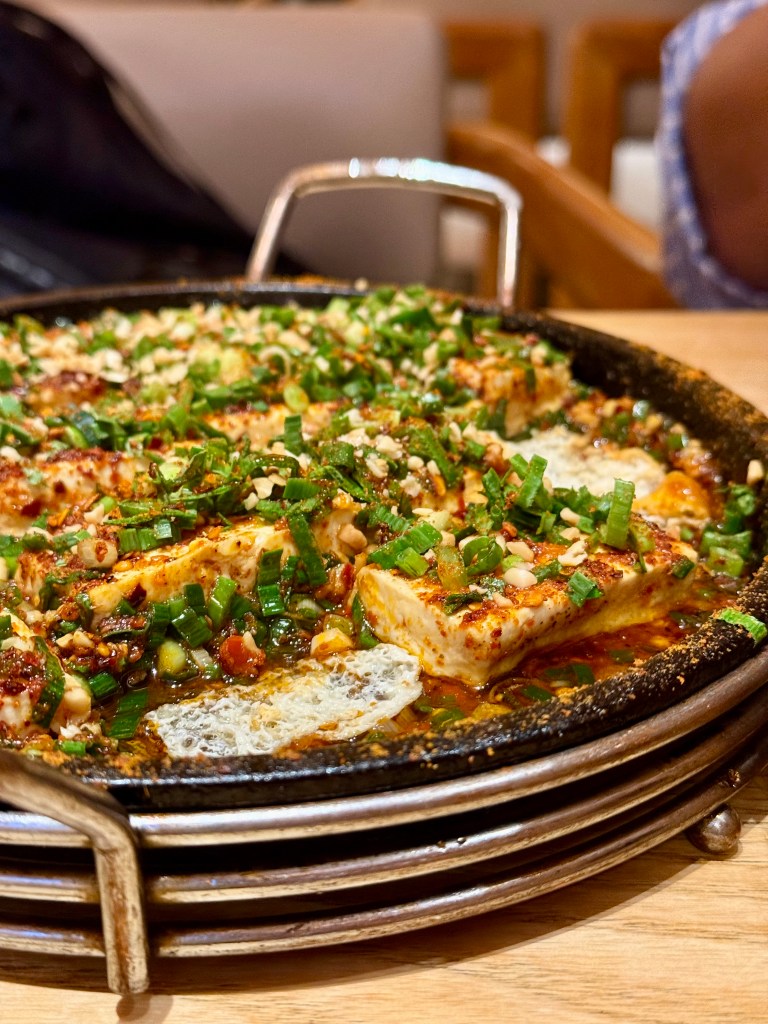
After just a two-hour domestic flight, we land at the main airport. Sean, our guide, asks us if we eat spicy food, as we are in the quintessential region for Sichuan pepper—a highly aromatic spice characterized by peppery, fresh, and slightly numbing notes—in addition to an immense quantity of chili peppers.
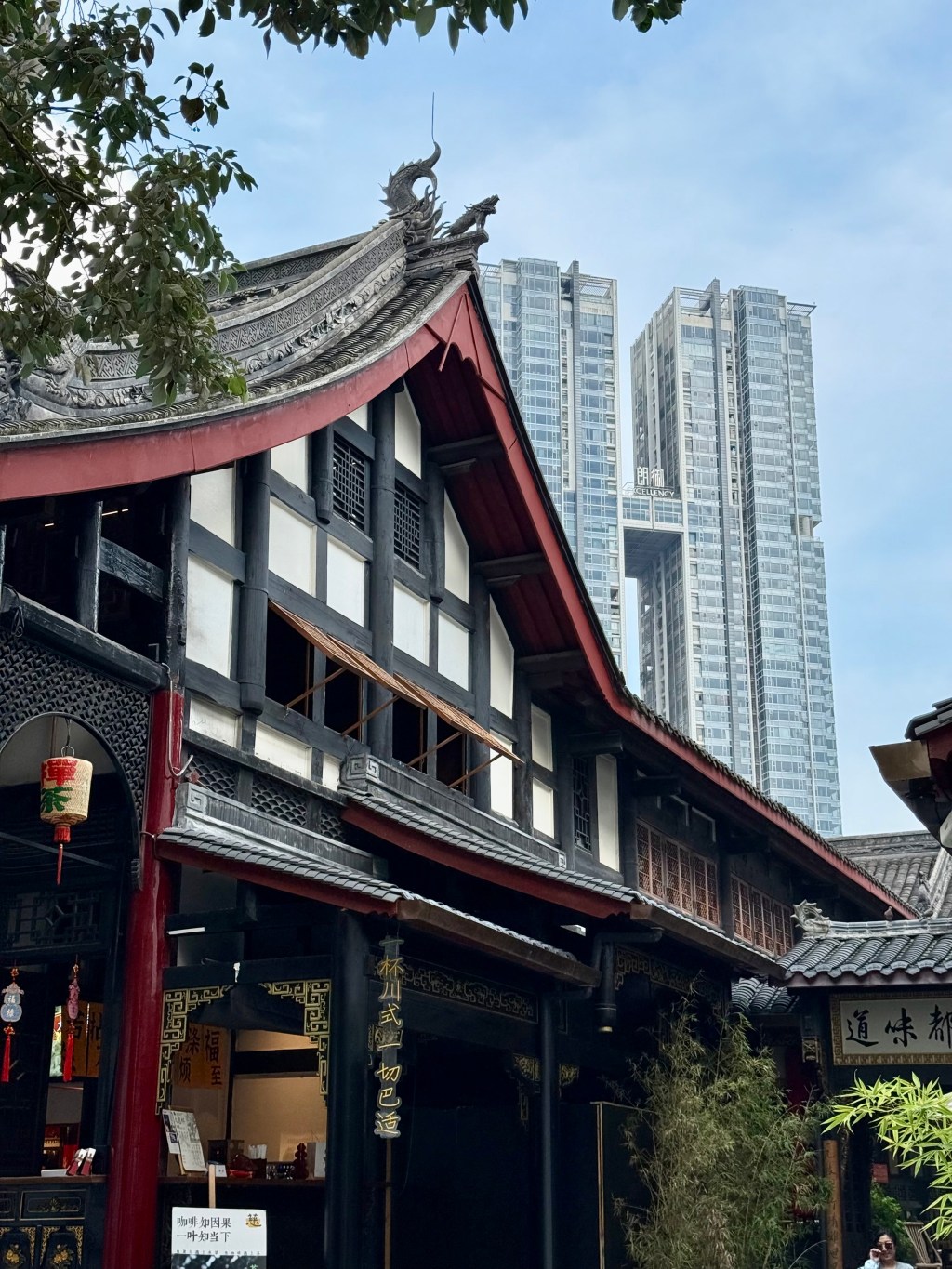
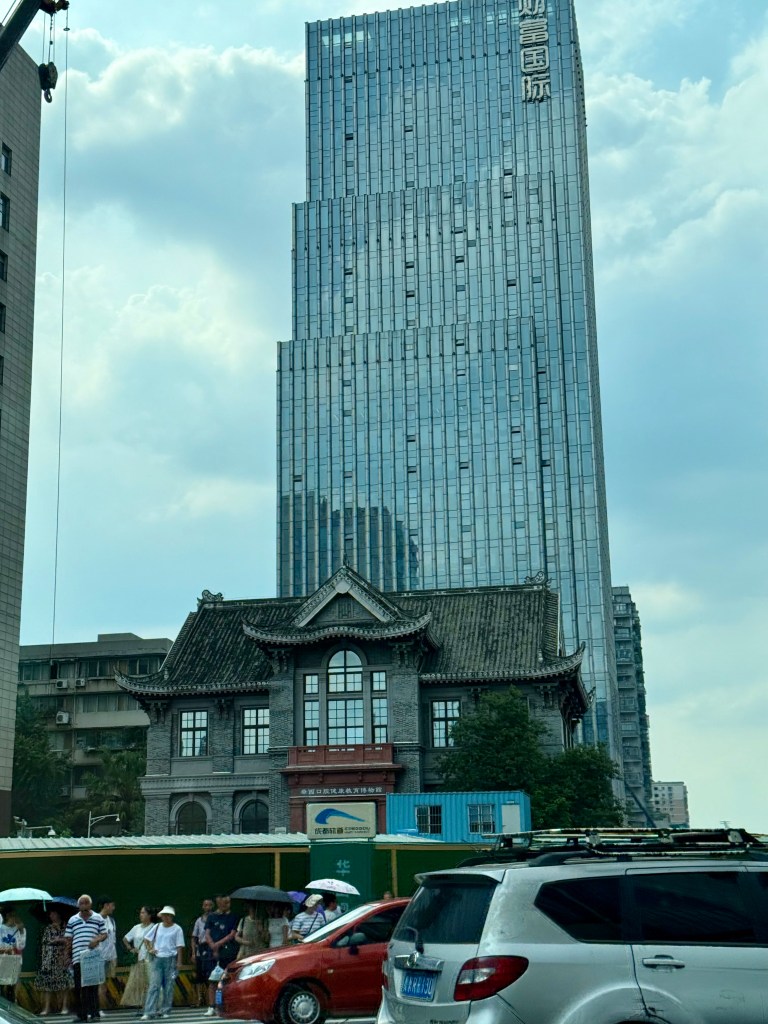
Arriving in the city from the airport, we immediately notice the first differences between Shanghai and Chengdu. The initial impression is one of immediate excitement. The city has a more “local” feel and is significantly less international. Although “smaller” than Shanghai, Chengdu, with its 22 million inhabitants, boasts a different rhythm and architecture. The former capital of the Shu Kingdom, this city dates back to the 4th century BC. Passing what looked like a temple, we asked Sean and discovered it was actually a university campus.
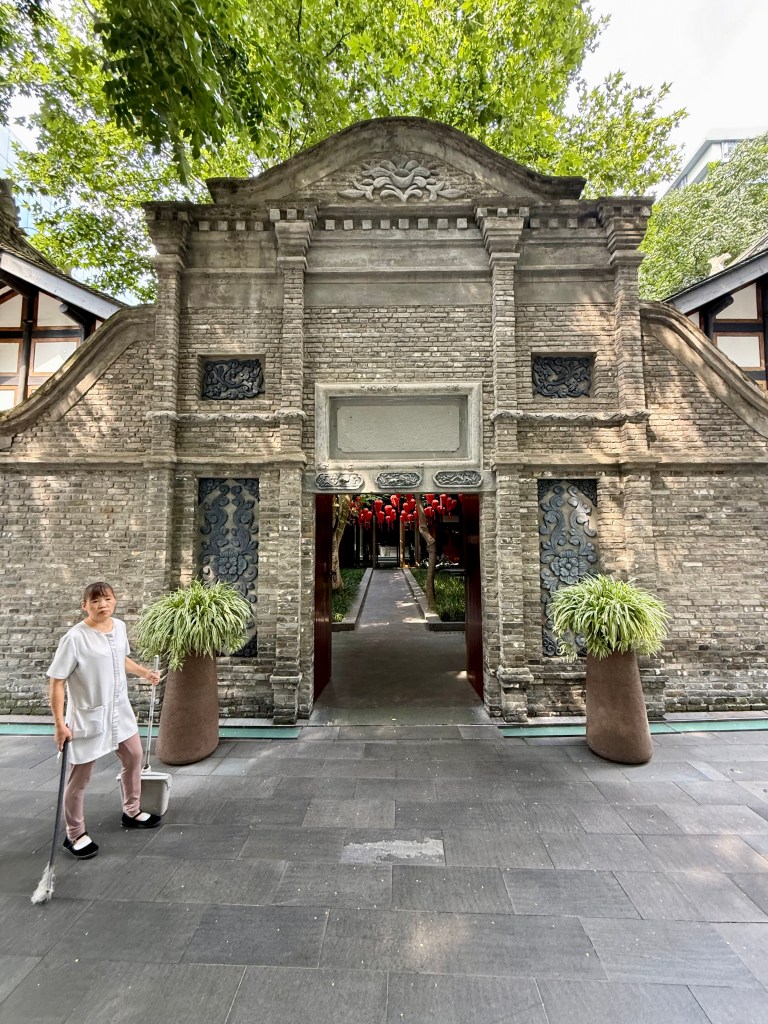
Upon arriving at The Temple House Hotel, we are stunned. Considered by many to be one of the most beautiful hotels in China, The Temple House features an entrance in an antique style reminiscent of a Buddhist temple. The small courtyard, surrounded by red lanterns, leads us to the reception area, where everything shifts to a modern design. The hotel is a blend of modernity and luxury and overlooks The Village, a luxury brand shopping area created with faithful reproductions of old Chinese homes. Also within The Village, we find the Daci Temple, dating back to the 3rd century. Inside, various prayer areas host different Buddha statues. Every detail is breathtaking. We admire the temple and the marvelous statues within in total silence and respect.
Crossing the road, the contrast upon exiting the temple is striking. We are immediately captivated by a 3D screen on the corner of a building that we have often seen on TikTok. The screen projects various videos that appear to emerge from the wall, creating an incredible optical effect.
Continuing down the street, we come across dozens of shops and several malls, most of which are dedicated to China’s most beloved animal: the Panda. Not everyone knows that this area is the most important location for the study, research, and conservation of the Giant Panda. The shops and streets are filled with reproductions of this sweet “teddy bear.” And of course, you will want to shop in the local stores! The prices for everything are incredibly low, and the quality and variety of the products are amazing.
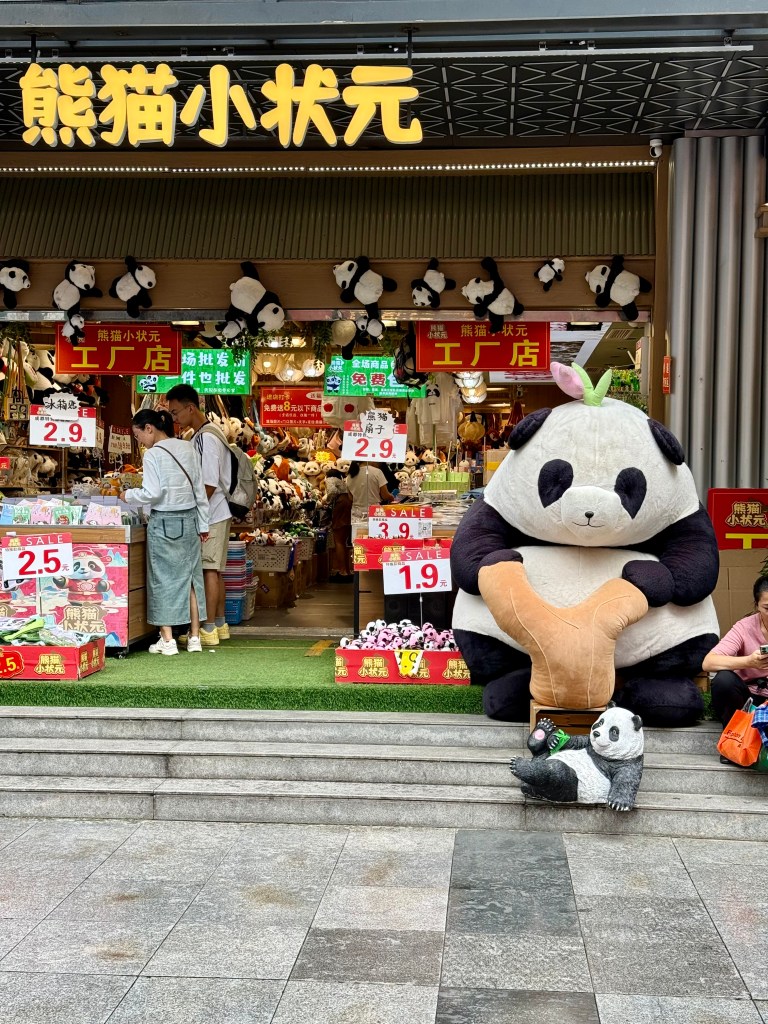
Walking through the city center, we encounter various street food stalls. Here, as I mentioned, the food features a noticeable level of heat, so before trying anything, we always try to understand the spiciness level.
In the evening, along with the hotel bar staff, we go to a local Hot Potrestaurant, where our excitement in terms of culinary curiosity verges on paradise.
Nick and Dabai order an immense amount of food, taking care to request a divided hot pot—one side spicy and the other non-spicy. We prepare personalized sauces; mine involved tons of garlic, teriyaki, honey, and sesame. The famous boiling pot of broth with vegetables and spices arrives at the table, split into two sections to keep the spicy broth separate from the plain one. Plates of vegetables, every type of meat cut, and seafood cover the table, waiting to be boiled. We have local beer and a few glasses of baijiu, a high-proof Chinese distilled spirit made from sorghum, barley, wheat, or millet.
Chengdu is a special city… stop in one of the hundreds of local restaurants. Taste every dish, which is enhanced by Sichuan pepper and chili.
Stay one night at The Temple House—it is well worth it.
Stroll along the river and observe the slow, delicate pace of life in this city.
Enjoy the moment.
Diego Ferrari
 Diego Ferrari